The honest answer: it depends, but it is predictable
As a general guide, a typical G+1 villa is often completed in roughly twelve to eighteen months of construction once permits are in place. Larger bespoke villas, basements, complex facades and extensive external works take longer. The design and approvals before construction add several months on top, and they vary widely by community and by how decisive the owner and consultants are.
These are indicative figures. We give a project-specific programme with every proposal after reviewing the drawings and site.
Stage by stage
| Stage | What happens | What affects the duration |
|---|---|---|
| Brief and concept | Plot review, brief, concept design | How clear the brief is, number of revisions |
| Detailed design and approvals | Architectural, structural and MEP drawings; community and authority review | Community process, consultant speed, comments and resubmissions |
| Mobilisation and groundworks | Site set-up, piling if required, excavation, foundations, basement | Soil, water table, basement depth |
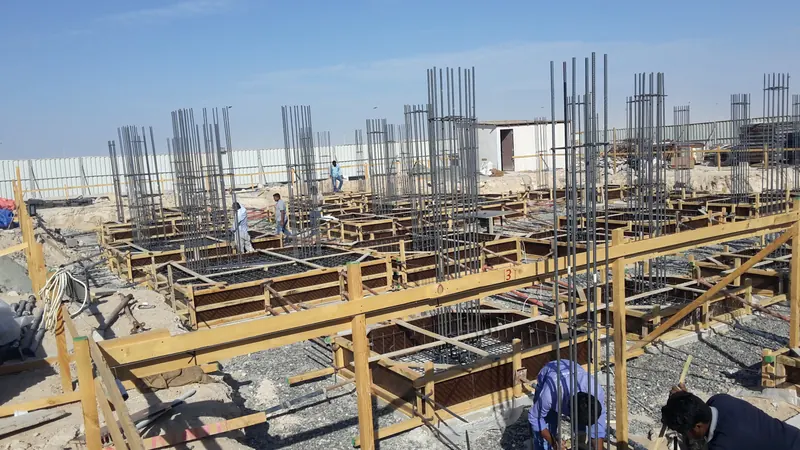
| Structure | Columns, slabs, walls, roof, staircases | Floors, spans, concrete cycles, weather in peak summer |
| Envelope | Blockwork, windows, glazing, roof waterproofing, facade | Glass and facade complexity, lead times for custom glazing |
| MEP and finishes | Services, plaster, ceilings, tiling, joinery, paint, fixtures | Specification, imported materials, decision-making |
| External works and handover | Pool, paving, landscaping, snagging, inspections, utilities, completion | Scope of external works, authority and utility timelines |
What makes a villa take longer
- Design changes once construction has started
- Late selection of finishes, especially imported stone and joinery
- Custom glazing and facade systems with long fabrication lead times
- Basements and difficult ground conditions
- Delays in developer, authority or utility approvals
How to keep a villa on programme
Finalise the design before construction, order long-lead items such as glazing, stone and joinery early, agree finishes before the structure is complete, and keep decision-making fast. A contractor who coordinates glass, aluminium and finishes with the structure avoids interface delays. We report progress against programme with photos and video, so you can see where the project stands.
Plan around reality
If you are timing a move, school year or tenancy end, add a buffer. A well-run project can still be delayed by approvals or supply, and a realistic programme is better than an optimistic one. See our guides on cost and approvals, or read about multi-storey villa construction.